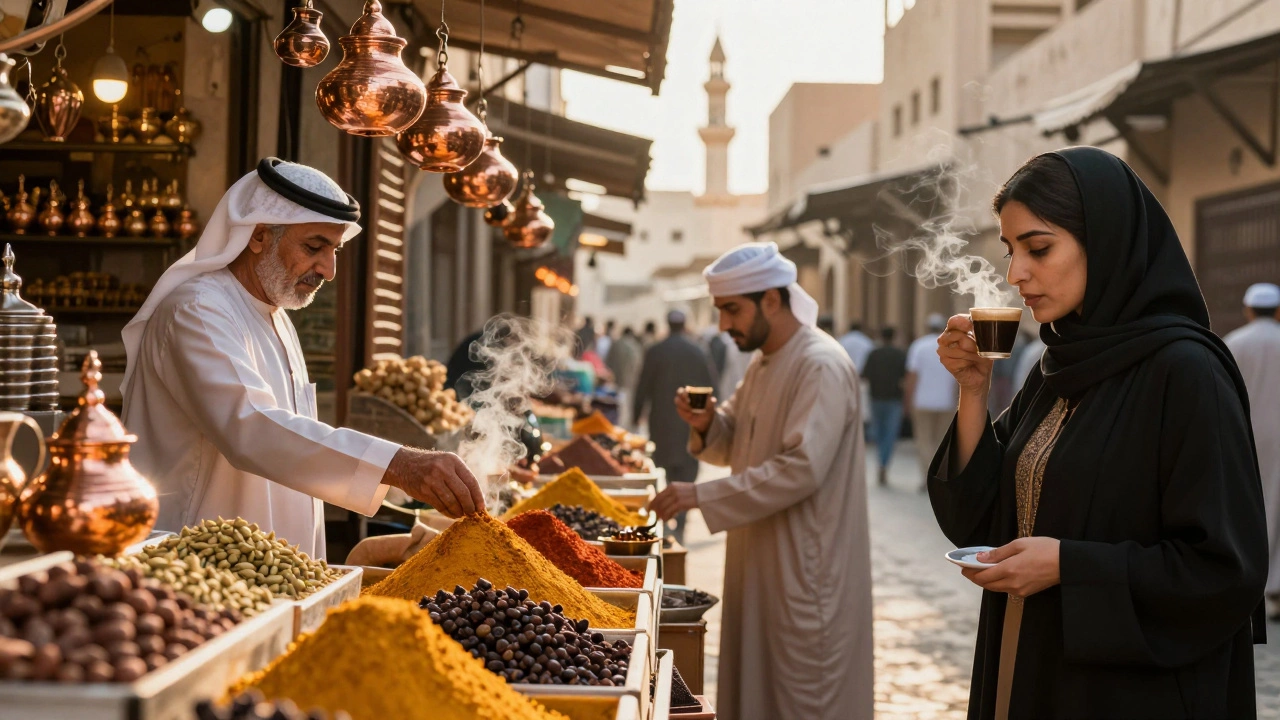
Dubai isn’t just about luxury hotels and towering glass spires. Beneath the glitter of its skyline lies a city shaped by centuries of trade, migration, and desert resilience. The same streets that host Michelin-starred restaurants also lead to bustling souks where spices are sold by weight and oud smoke curls into the evening air. You can sip Arabic coffee under a palm tree at dawn, then swim in the turquoise waters of Jumeirah Beach by noon. This isn’t a city that chooses one identity-it holds them all at once.
For some, the allure of Dubai extends beyond its cultural richness. A quick search for the best escort in dubai reveals how demand for companionship services has grown alongside its global reputation. But that’s only one thread in a much larger tapestry. The real story of Dubai is written in the lives of the people who built it-not just the tourists who visit.
The Roots of a Modern Metropolis
Dubai’s history stretches back over 5,000 years. Archaeological digs near Al Fahidi Fort uncovered pottery and tools from the Umm Al Nar civilization, proving this was once a thriving coastal settlement. By the 18th century, it became a key port for pearling and trade between India, Persia, and East Africa. When oil was discovered in the 1960s, Dubai didn’t just cash in-it reinvented itself. While other Gulf cities waited for oil wealth to trickle down, Dubai’s rulers invested in infrastructure, tourism, and free trade zones. That bold move turned a sleepy port into a global hub.
Today, over 85% of Dubai’s population is made up of expatriates. You’ll hear Urdu, Tagalog, Swahili, Russian, and English spoken on the same metro car. This diversity didn’t happen by accident. The city welcomed workers from every corner of the world, offering opportunity in exchange for labor. That openness shaped its food, fashion, festivals, and even its nightlife.
Cuisine That Tells a Thousand Stories
Forget the idea that Middle Eastern food is just shawarma and hummus. In Dubai, you’ll find Ethiopian injera served with spicy wot in Bur Dubai, Filipino adobo in Deira, and Lebanese mezze in Al Wasl-all within walking distance of each other. The city’s food scene is a direct reflection of its people.
One of the most surprising flavors comes from the African diaspora. African escort dubai isn’t just a phrase you hear online-it’s part of a larger community of East African migrants who’ve opened restaurants, grocery stores, and cultural centers across the city. At Al Sabkha’s Ethiopian Market, you can buy teff flour, berbere spice blends, and freshly brewed coffee beans roasted over charcoal. Locals and expats alike line up for doro wat, a slow-cooked chicken stew that’s as rich in history as it is in flavor.
Even the humble shawarma has been reinvented here. In Jumeirah, you’ll find shawarma wrapped in sourdough flatbread with harissa mayo and pickled turnips. In Deira, it’s served with a side of Indian-style chutney. Dubai doesn’t copy global trends-it absorbs them, then remixes them.
Beaches That Don’t Look Real
Dubai’s coastline is a curated dream. Palm Jumeirah’s crescent-shaped island looks like it was drawn by a graphic designer. The private beaches at Burj Al Arab are so pristine, you’d think they’re digitally rendered. But the real magic happens away from the resorts.
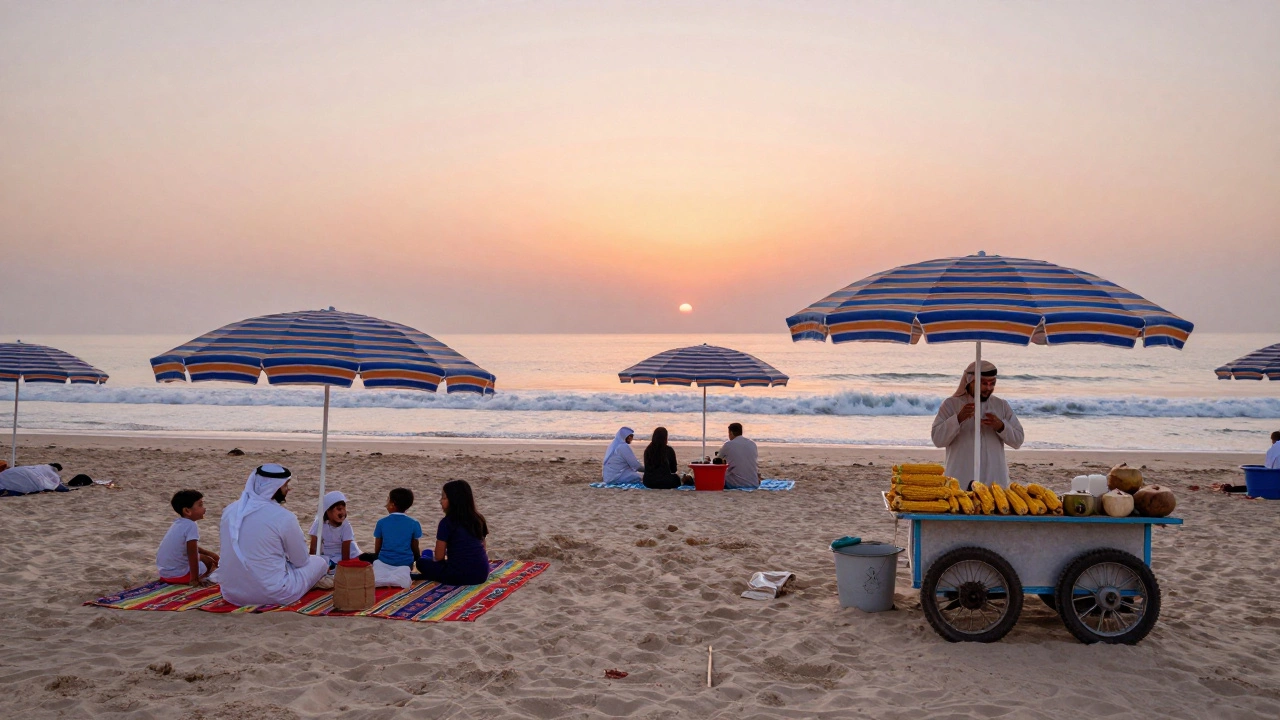
Al Mamzar Beach, just north of the city center, is where Emirati families gather on weekends. Parents spread out colorful carpets under umbrellas while kids splash in the shallows. Vendors sell fresh coconut water and grilled corn on the cob. You won’t find cocktail bars or DJs here-just laughter, the smell of salt, and the sound of waves rolling in.
For those seeking solitude, Jebel Ali Beach offers wide, empty stretches of sand backed by mangroves. It’s a favorite spot for early morning runners and photographers catching the sunrise over the Persian Gulf. The water is calm, the air is clean, and the silence is rare in a city that never sleeps.
Culture in Motion
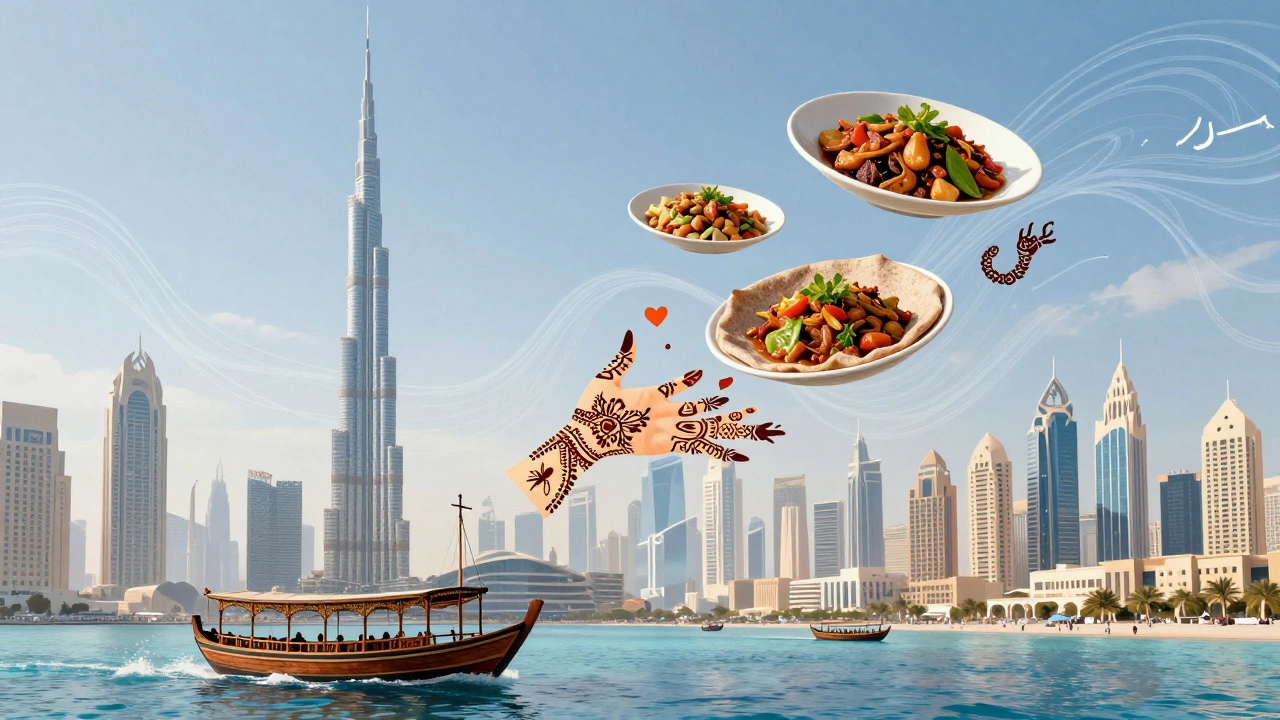
Dubai doesn’t have museums filled with ancient artifacts because its culture isn’t frozen in glass cases. It’s alive-in the way vendors call out prices at the Gold Souk, in the call to prayer echoing over the Dubai Creek, in the henna artists painting intricate designs on women’s hands during Eid.
The city celebrates its heritage through festivals like the Dubai Shopping Festival and the Dubai Food Festival, but also through quieter traditions. Friday mornings at the Alserkal Avenue arts district see local artists setting up pop-up stalls selling handmade ceramics, calligraphy, and woven textiles. Many of these artisans are second-generation expats-children of workers who came in the 1980s and never left.
There’s also a growing movement to reclaim Emirati identity. Young Emiratis are launching brands that blend traditional embroidery with modern streetwear. They’re opening cafés that serve cardamom-infused cold brews. They’re documenting oral histories of desert life before the oil boom. Dubai isn’t just a city of the future-it’s becoming a place where the past is being reimagined.
Living in the Moment
Dubai rewards those who move slowly. The city doesn’t want you to rush from one attraction to the next. It wants you to sit in a café, watch the sun set over the Burj Khalifa, and realize how strange and beautiful it is to be here.
Take a dhow cruise along the Dubai Creek. Watch the lights come on across the water. Listen to the chatter of fishermen unloading their catch. Notice how the scent of grilled fish mixes with the perfume of jasmine from nearby gardens. This is the soul of Dubai-not the skyline, not the malls, not the luxury cars. It’s in the quiet moments between the noise.
And yes, if you’re looking for companionship services, you’ll find them. There are dubai escort site options available, as with any major international city. But reducing Dubai to that one aspect misses the point entirely. The city’s true richness lies in its contradictions: ancient and modern, quiet and loud, local and global-all existing side by side without apology.
What Makes Dubai Different?
It’s not the tallest building. It’s not the most expensive hotel. It’s not even the desert safaris or the indoor ski slope.
Dubai is different because it lets you be whoever you want to be-without judgment. A French chef can open a vegan restaurant next to a Pakistani family-run kebab shop. A Nigerian nurse can raise her kids in a villa near the beach. A Filipino artist can sell her paintings at a pop-up in Downtown Dubai. No one asks where you’re from. They just ask what you’re doing.
That freedom is rare. And it’s what keeps people coming back-not just for the beaches, the food, or the shopping-but for the feeling that, for a moment, anything is possible.